

As managed service providers plan for 2026, the technology landscape continues to evolve rapidly. Manufacturers, distributors, field service teams, and supply chain-driven organizations now expect more than traditional IT support. They are actively seeking strategic partners to modernize workflows, integrate disconnected systems, and eliminate manual processes that slow daily operations.
For MSPs, this shift represents one of the most significant growth opportunities heading into 2026. The key is early planning and the ability to expand service offerings beyond core IT support. December is an ideal time to assess your current capabilities and develop a clear roadmap to attract higher-value clients in the coming year.
In this guide, we outline how MSPs can grow through modernization services, workflow automation, and system integration. You will also find practical examples and actionable steps to help shape a profitable 2026 service strategy.
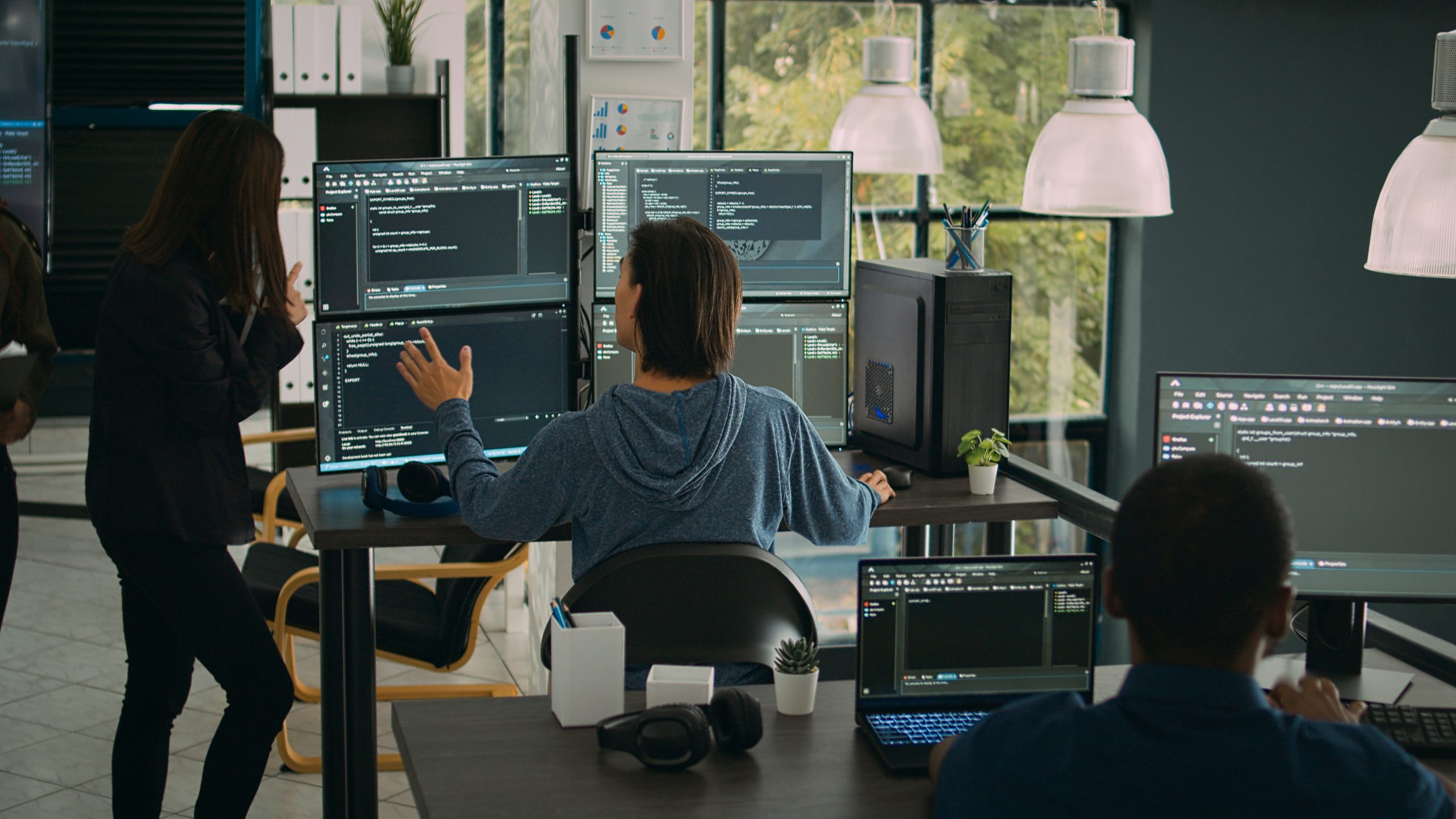
The 2026 Opportunity for MSPs: Moving Beyond Traditional IT Services
The MSP market has become increasingly saturated. Many providers offer similar foundational services, including:
- Device and network management
- Cybersecurity solutions
- Patch management and updates
- Help desk support
- Backup and business continuity
While these services remain essential, they are no longer strong differentiators.
Forward thinking MSPs are expanding into modernization and integration services that help clients streamline operations and connect the systems they rely on every day. This shift enables MSPs to:
- Increase monthly recurring revenue
- Build deeper, long-term client relationships
- Reduce customer churn
- Cross sell higher value services
- Attract larger and more complex organizations
Manufacturers in particular are seeking MSP partners who understand how to unify ERP systems, inventory tools, quoting platforms, quality assurance processes, scheduling software, and accounting systems.
Key Growth Area #1: Integration Services for SMB Manufacturers
Small and mid-sized manufacturers often face operational challenges such as:
- Disconnected ERP systems
- Manual double-entry between QuickBooks and operations
- Spreadsheet-driven quoting processes
- Legacy systems that do not communicate
- Shop floor tools without real-time visibility
MSPs are uniquely positioned to solve these problems, especially when working with an experienced integration partner like Letter B that handles development and technical execution.
Why 2026 Will Be the Year of Integration First Services
Several trends are driving demand for integration services:
- Manufacturers are replacing outdated systems
- Labor shortages require automation and efficiency
- Supply chain complexity demands real-time data
- Digital transformation budgets are increasing
- State and federal technology grants are more accessible
If your MSP does not currently offer integration or modernization services, 2026 is the year to introduce them.

Key Growth Area #2: Workflow Automation
Manual workflows cost your clients time, increase error rates, and limit scalability. MSPs can create significant value by helping automate and streamline processes such as:
- Inventory adjustments
- Job and production scheduling
- Customer quoting
- Work order updates
- Invoicing and billing
- Shipping notifications
- Project and production tracking
Workflow automation positions your MSP as a strategic advisor and opens the door to additional service offerings, including:
- Process mapping and documentation
- Automation service packages
- Custom enhancements for existing systems
- API based integrations
This evolution moves your role from technical support provider to operational partner.
Key Growth Area #3: Modernization Projects and Legacy System Replacements
Many MSP clients still rely on tools built 10 to 25 years ago. These systems often:
- Are no longer supported by vendors
- Lack of integration with modern platforms
- Depend on inefficient manual workarounds
- Create hidden costs through lost productivity
In 2026, modernization will remain a top priority for growing organizations. MSPs can lead these conversations by offering:
- Software and system assessments
- Legacy system evaluations
- Modernization roadmaps
- Replace versus enhance analysis
- Data migration support
- Integrated modernization strategies
With the right integration partner, MSPs can deliver these services without adding internal development staff.
How to Build Your MSP’s 2026 Modernization and Integration Plan
1. Review Your Current Client Base
Start by identifying clients who:
- Depend heavily on spreadsheets
- Use multiple disconnected systems
- Struggle with quoting, scheduling, or inventory management
- Rely on manual processes
- Are preparing for growth, expansion, or acquisition
These clients are prime candidates for modernization and integration projects.
2. Add Modernization and Integration to Your Service Catalog
Consider packaging offerings such as:
- Integration assessments
- Modernization roadmaps
- Workflow automation solutions
- ERP and QuickBooks integrations
- API development and custom connectors
These services can generate both one-time project revenue and ongoing monthly contracts.
3. Partner Instead of Hiring
Most MSPs do not need to hire developers or integration specialists to offer these services.
By partnering with Letter B, you can expand your service portfolio without increasing overhead.
You manage the client relationship.
Letter B handles the integration and modernization work.
You grow revenue while keeping full ownership of the account.
4. Build a 2026 Marketing Strategy Around These Services
Modern buyers want MSPs who understand their business and industry challenges.
Your 2026 marketing plan should highlight your ability to:
- Integrate systems
- Improve operational efficiency
- Reduce manual work
- Deliver measurable business value
Effective marketing tactics include:
- Industry-focused case studies
- Educational blog content
- Social media posts featuring modernization projects
- Email campaigns targeting manufacturers and distributors
- Lunch and learn sessions for prospects
These efforts position your MSP as a forward-thinking, strategic partner.

Real World Use Case Examples
Use Case 1: Quoting Automation for a Manufacturer
A small manufacturer struggled with slow quoting due to spreadsheet based workflows.
Working with Letter B, the MSP helped:
- Map the quoting process
- Build an integrated quoting tool
- Connect it to the ERP and accounting system
- Automate approval workflows
Result: A 75 percent reduction in quoting time and more consistent pricing.
Use Case 2: Modernizing a 20 Year Old Internal System
A company relied on internal software that had not been updated in over a decade.
The solution included:
- Rebuilding the system
- Improving usability and performance
- Adding modern integrations
- Creating real time dashboards
The MSP delivered a high value modernization project without hiring developers.
Use Case 3: Integrating QuickBooks with Production Systems
By connecting QuickBooks to shop floor tools, the MSP enabled:
- Automated job costing
- Live inventory updates
- Elimination of duplicate data entry
- Faster and more accurate reporting
Result: Improved financial visibility and better operational decision-making.
Final Thoughts: Make 2026 the Year Your MSP Expands Its Value
MSP growth in 2026 will not come from competing on price or adding more help desk tickets.
It will come from becoming a strategic partner that helps clients modernize systems, integrate technology, and operate more efficiently.
With a clear roadmap and the right integration partner, 2026 can become your most profitable year yet.
If you are ready to build or expand your MSP integration and modernization services, Letter B Global Technologies is here to help.