
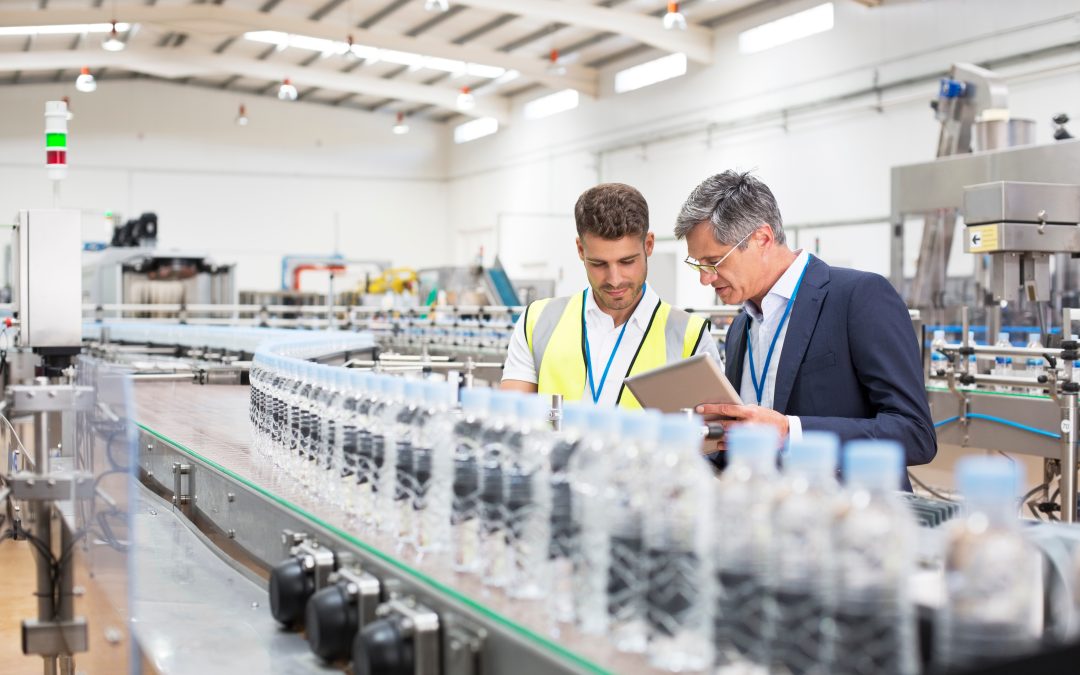
Modern manufacturing technology does not require replacing everything at once. Many improvements focus on the areas where inefficiencies have the greatest impact. Modern manufacturing technology does not require replacing everything at once. Instead, it focuses on improving the areas where legacy systems in manufacturing create the greatest inefficiencies.
Smarter Quoting Systems
Modern quoting tools designed for manufacturing streamline complex pricing and eliminate manual steps.
These systems can automatically generate:
- Detailed quotes
- Contracts
- Bills of materials
- Production instructions
Once a quote is approved, production workflows can be triggered automatically. This removes the need for manual data entry and reduces delays caused by legacy systems in manufacturing.
Connected Inventory Systems
Modern inventory systems provide real-time visibility into materials, components, and finished goods.
Manufacturers can track:
- Material availability
- Production usage
- Inventory levels across locations
- Supplier lead times
This level of visibility improves planning, reduces shortages, and prevents excess inventory. It also addresses one of the most common issues caused by legacy systems in manufacturing.
Automated Order Processing
Instead of manually entering order data from emails or documents, modern systems capture key information and generate work orders automatically.
This eliminates redundant steps, reduces administrative workload, and improves accuracy across operations.
Automation directly replaces the manual processes created by legacy systems in manufacturing.
Integration with Existing Accounting Systems
Many manufacturers prefer to keep their accounting systems.
Modern integration tools allow platforms like QuickBooks or Sage to connect directly with operational systems. This ensures financial and production data stay aligned without manual reconciliation.
This type of integration is one of the most effective ways to overcome limitations caused by legacy systems in manufacturing.

Why Legacy Systems in Manufacturing Limit Growth in 2026
Recent industry insights confirm how widespread this challenge has become. According to Deloitte’s Manufacturing Industry Outlook, manufacturers are investing in digital transformation to improve efficiency, reduce manual processes, and increase visibility across operations. Source
Legacy systems in manufacturing are no longer just inefficient. In 2026, they limit scalability, reduce visibility, and slow down decision-making.
Modern Manufacturing Tools Support Your Shop, Not Replace It
Many Midwest manufacturers worry that modernization means replacing the systems they rely on.
In reality, modernization focuses on connecting and improving what already works. The goal is not to overhaul everything at once. It is to identify inefficiencies and introduce tools that simplify operations and improve visibility.
Even small improvements can reduce the impact of legacy systems in manufacturing and create measurable gains in efficiency and profitability.
The Competitive Advantage of Modern Manufacturing Operations in 2026
Manufacturers that modernize their systems gain clear advantages:
- Faster response times to customers
- Improved accuracy in quoting and production
- Better inventory control
- Reduced administrative workload
- Greater operational visibility
These improvements allow companies to focus on building quality products and serving customers.
In 2026, reducing reliance on legacy systems in manufacturing is no longer optional. It is a competitive advantage.
Taking the First Step Away from Legacy Systems in Manufacturing
For many manufacturers, the biggest challenge is not identifying the problem. It is knowing where to begin.
The first step is understanding where outdated systems are slowing operations and identifying which processes would benefit most from automation or integration.
Even small improvements can reduce dependence on legacy systems in manufacturing and create meaningful impact.
About Letter B Global Technologies
At Letter B Global Technologies, we help manufacturing companies modernize their operations through custom software development, system integration, and workflow automation.
Our focus is helping manufacturers reduce reliance on legacy systems in manufacturing while maintaining the tools and processes that already work for their business.